























Inland Doves Finds Room for Both Hello and Goodbye on “What We Were”
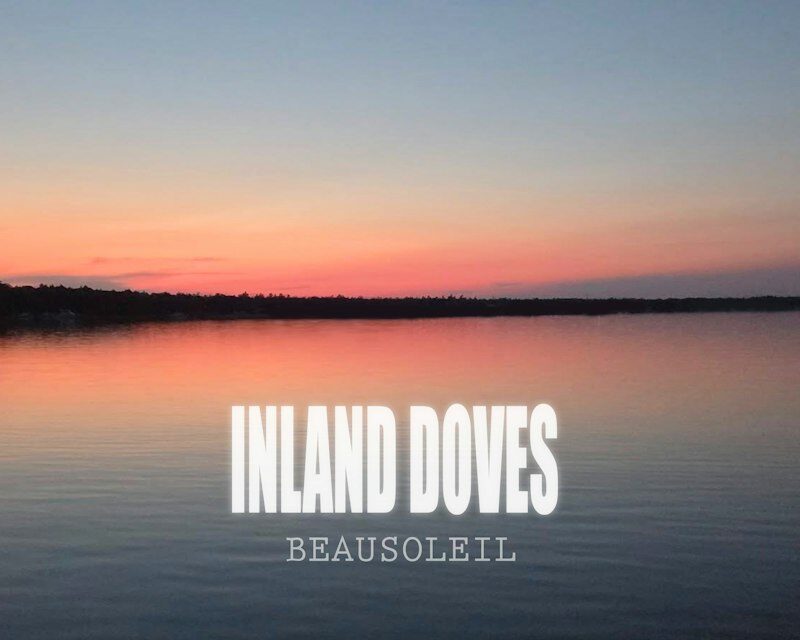
Inspired by a breakup and written in less than two days, “What We Were” makes space for affection as well as the need to move on.
A breakup can leave more than one feeling behind. There can be relief in letting go, sadness over what has ended, and affection that doesn’t disappear simply because a relationship has run its course. With “What We Were,” Inland Doves builds a song around that complicated middle ground.
What draws us to the story behind this single is its generosity. Rather than reducing the relationship to something to reject, the songwriting allows two different emotions to exist in conversation. Its call-and-response structure becomes a place for both a greeting and a farewell.
“There is a ‘hello’ directed toward the girl and her children,” Inland Doves explains, “and then there is the ‘goodbye’ a farewell to the aspects of the relationship that I no longer wanted to carry with me.”
It’s a thoughtful distinction, and one that gives the song’s premise real emotional weight. Leaving a relationship doesn’t necessarily mean wanting to erase the people who were part of it. There is something quietly moving about making room for that affection while acknowledging the need to leave other things behind.
Breakups have inspired countless songs, a fact Inland Doves readily acknowledges. The appeal here is the particular perspective: the goodbye is not the whole story. Neither feeling has to cancel out the other.
The songwriting is incredible, but it’s only part of what makes “What We Were” such a rewarding listen. The production brings its own character, layering fuzzy vocals and rich harmonies over crunchy distorted guitars and crisp drums, with synths carrying a sense of nostalgia while still feeling fresh. Altogether the layered textures give the song a compelling balance of warmth and bite.
A Sudden Idea on the Walk Home
The writing process arrived with a very different kind of clarity. The idea came suddenly while walking home, “almost like a bolt of lightning.” Once it appeared, the song began to take shape naturally.
“I wrote and developed the song in less than two days, which is unusually quick for me,” Inland Doves says. “It felt as though the song had already been there, waiting to be written, and I simply had to capture it while the feeling was still fresh.”
That account offers a lovely glimpse into the moment a personal experience becomes a song. The feelings may have been complicated, but the impulse to give them a form was immediate.
For me, the strongest part of this story is its refusal to make moving on a simple act of rejection. “What We Were” offers a more compassionate idea: you can choose what to release without pretending that nothing was worth holding close.


